

Sisal
Sisal was introduced to Taiwan by American commissioner John W. Davis. A few sisal plants were first grown in the Hengchun Tropical Plant Breeding and Cultivation Ground. Because the plants adjusted to the environment well, soon, sisal was widely grown and became a major crop in Hengchun. Sisal-growing and sisal rope-production remained the major industrial activities of Hengchun for some time, but as the international market became overly competitive, sisal price plummeted. Today, barely any profits can be made from sisal.
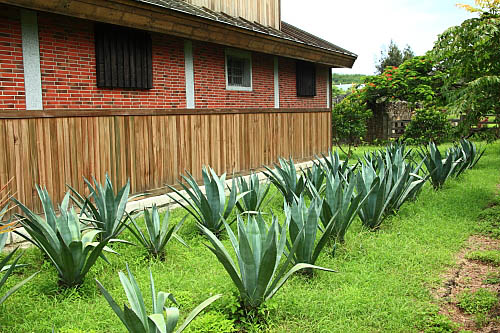
Sisal
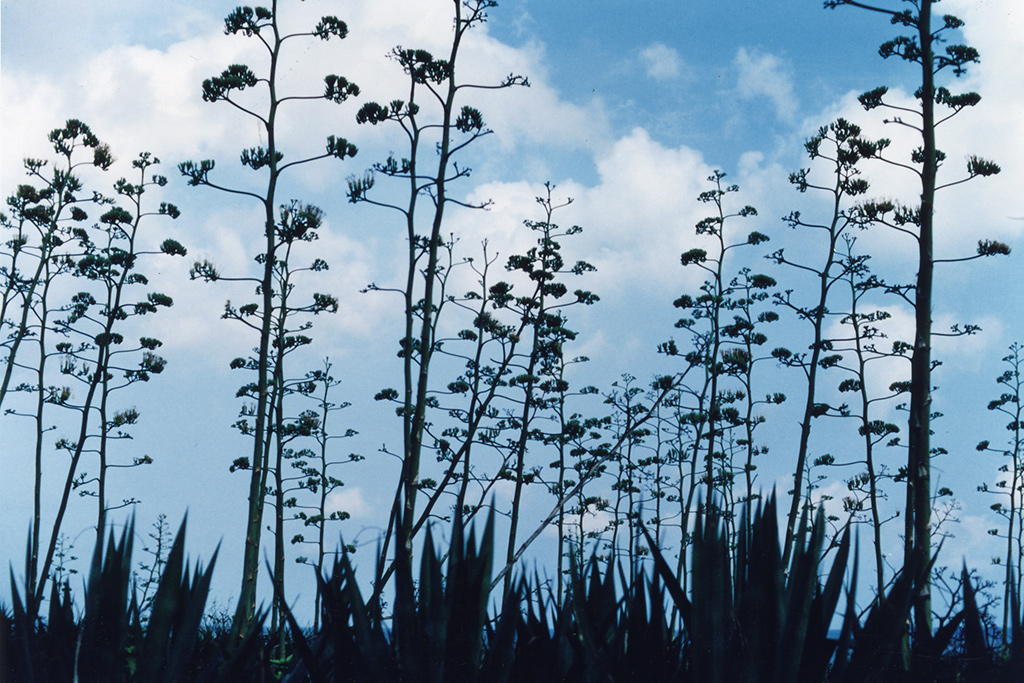
Sisal
Onion
Hengchun is the most important origin of onions in Taiwan. The dry sand and gravel of the peninsula and the strong Luo-Shan Wind in the winter make Hengchun a great place for onions to grow. The stronger the winds, the better the onions are. Every year, in March and April, piles of golden onions can be seen shining under the Sun in Hengchun.
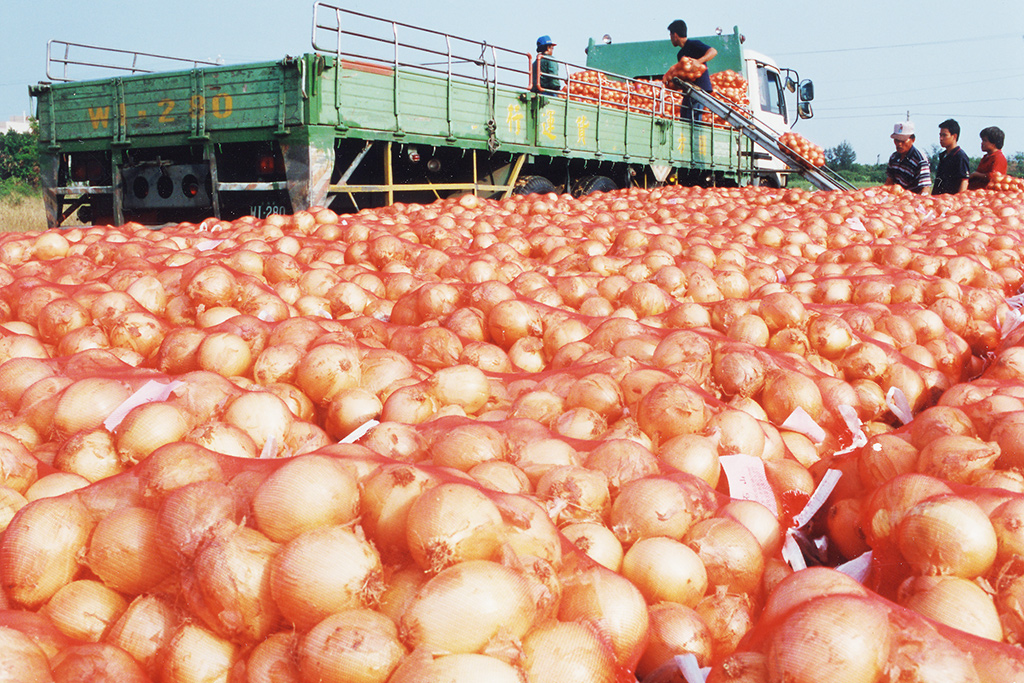
Onion
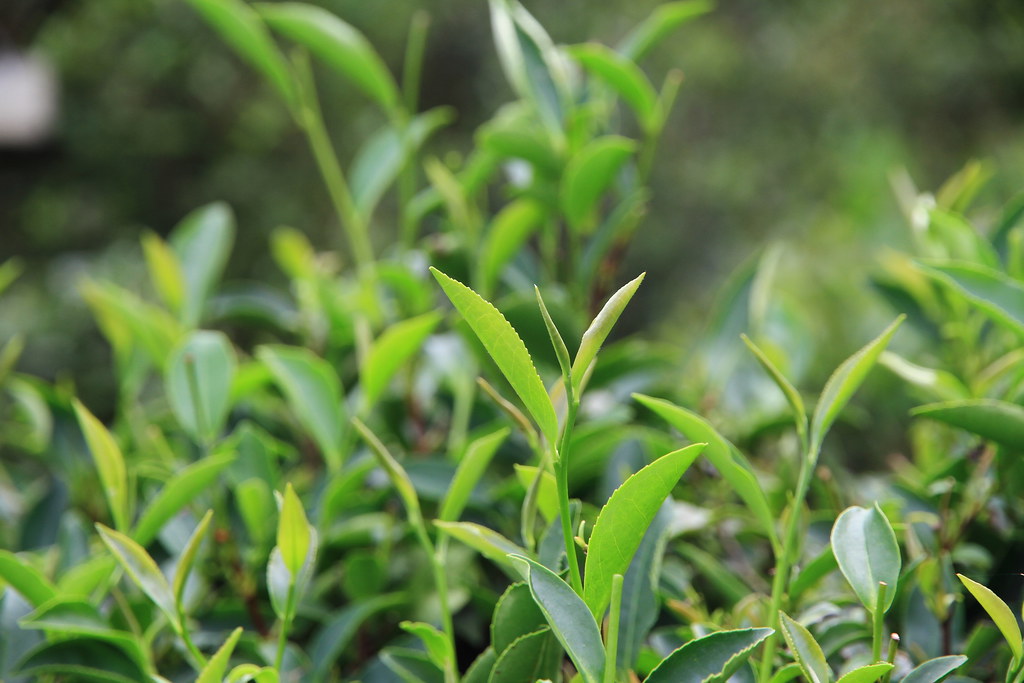
Gangkou Tea
Gangkou Tea
Produced in Gangkou Village, Manzhou Township, this unique tea is grown right at the mouth of the Gangkou River. Legend has it that during the Qing Dynasty, the local magistrate—a devoted tea lover—found himself longing for fresh tea in the tea-less Hengchun Peninsula. He ordered tea seeds from Anxi, Fujian, to be trialed in Hengchun and Manzhou. Only the slopes of Gangkou Village proved successful, as the terrain provided the perfect sanctuary: sheltered from the harsh Northeast Monsoon while welcoming the moist Southwest Monsoon and abundant rainfall.
Today, Gangkou Tea is cultivated on terraced hillsides and can be harvested year-round. However, due to the limited planting area, the annual yield is only about 600 kilograms. This scarcity makes it highly prized, with Spring and Winter harvests being the most coveted. It is so rare that it can typically only be found in local tea shops within Hengchun Town.
Influenced by the coastal climate and unique soil, Gangkou Tea is known for its bold character—initially bitter and highly concentrated, yet exceptionally fragrant and durable for multiple infusions. It leaves a lingering, sweet aftertaste that is truly one-of-a-kind. Locals even claim that drinking it with rock sugar can help soothe coughs and colds. It has rightfully become one of the signature specialties of Kenting National Park.
watermelon
In recent years, the Hengchun Peninsula has been cultivating watermelons on the riverbeds of the Sichongxi and Fenggangxi rivers during the winter downwind season. It is the only place in Taiwan that produces watermelons in winter. The bright red flesh of these watermelons is as vibrant as the fiery sun over the Hengchun Peninsula. Locally grown watermelons are sweet, crisp, and juicy, with an excellent taste. Therefore, some people are gradually replacing port tea with watermelons as one of Hengchun's three treasures.
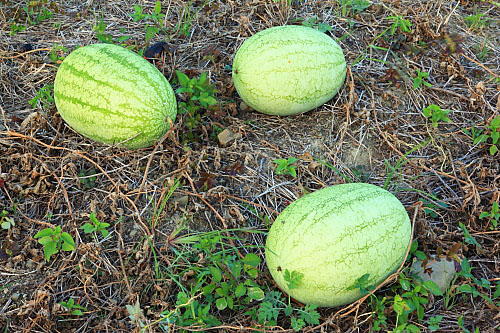
Watermelons grown locally in Hengchun are sweet, crisp, and juicy.
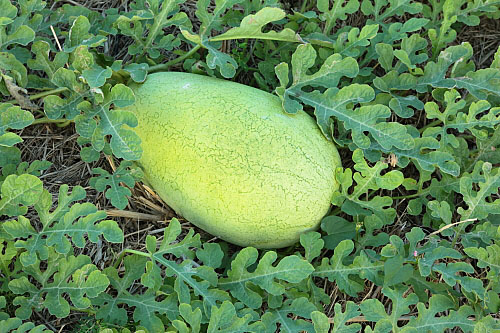
Hengchun Peninsula is the only place in Taiwan that produces watermelons in winter.